

Catalogs
Catalogs are curated stores of information, typically organized into searchable entries and made available through screen interfaces to the user. Sprites with reading comprehension can independently read, organize, summarize, or apply the information they contain.
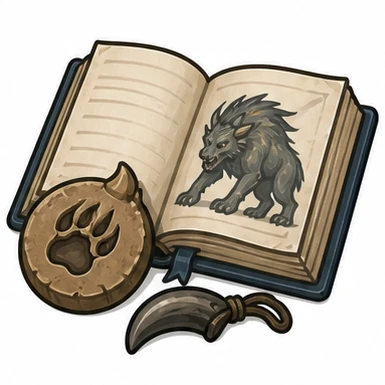
Bestiary
A Bestiary catalogs known animals, Fey, Chimerans, and other creatures found throughout Gaia. Entries may describe their appearance, habitat, behavior, diet, tracks, magical abilities, danger signs, and recommended methods for avoidance or handling. Adventurer editions often add threat assessments, defensive guidance, and information about safely harvesting valuable remains.
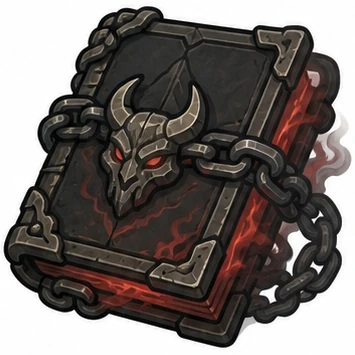
Demonic Catalog
A Demonic Catalog contains specialized information about demons, Miasma, Shadowlands, Infernal Cores, demonic hierarchies, and known signs of corruption. Adventurer and military editions may also describe the behavior, abilities, vulnerabilities, and tactics of identified Demonkin and Direkin. Access to advanced editions is restricted because some demonic knowledge is corrupting, strategically sensitive, or illegal to possess.
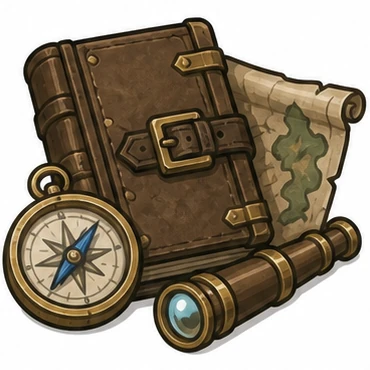
Explorer's Catalog
An Explorer's Catalog compiles practical information about settlements, routes, terrain, climates, Wildzones, local laws, regional customs, and known environmental hazards. Editions are usually dedicated to a particular region and are often paired with map Constructs.
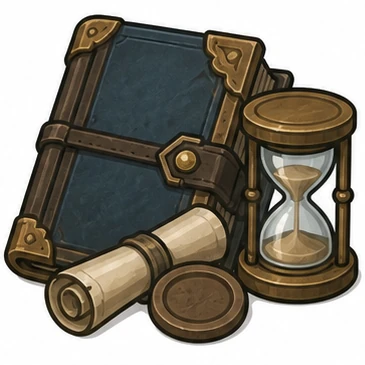
History Catalog
A History Catalog contains chronologies, biographies, accounts of major events, and records of past nations and institutions. Editions often reflect the priorities and biases of their publishers, and may differ in how they present disputed events. Information censored by the Archivist's Guild, especially records concerning the Dark Age, is absent from lawful catalogs.
Magic Catalog
A Magic Catalog provides a general reference to Aether, magical terminology, alchemy and magical materials, common magical phenomena, and the major forms of magic practiced throughout Endros. Most are assembled as collections of more specialized catalogs, allowing academies, guilds, and professional users to obtain only the disciplines relevant to their work.
Artificing Catalog
An Artificing Catalog documents Aethertech devices, components, classifications, operating requirements, and maintenance procedures. Public and trade editions are common references for identifying or safely using established devices, but complete fabrication methods and proprietary Dwarven designs are rarely made available outside their corporations.
Chi Catalog
A Chi Catalog contains information about auras, chakras, warding, physical reinforcement, and other techniques practiced by Adepts. It may include training exercises, diagrams, safety guidance, and descriptions of how different Chi techniques interact with equipment or hostile magic.

Enchantment Catalog
An Enchantment Catalog describes known enchantments, their compatible Aether and construction materials, suitable locations, common uses, and signs of instability or failure. Professional editions may include detailed design and maintenance guidance, while public editions are usually limited to identification, operation, and safety information.
Sorcery Catalog
A Sorcery Catalog documents recognized spells and techniques across one or more spheres of Sorcery. Entries describe a spell's expected effects, Aether requirements, common variations, limitations, risks, and known counters.
Ritual Catalog
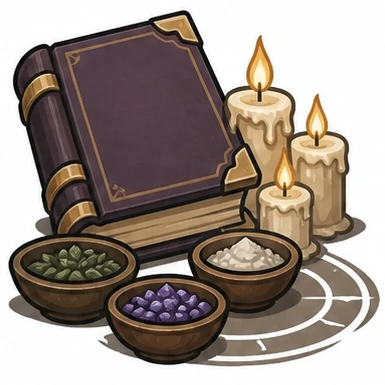
A Ritual Catalog records established ritual procedures, including the required participants, roles, movements, materials, environmental conditions, and expected results. Reliable catalogs emphasize preparation and failure risks, as small deviations can radically alter a ritual. Complete entries for dangerous or forbidden practices are tightly restricted.
Medical Catalog
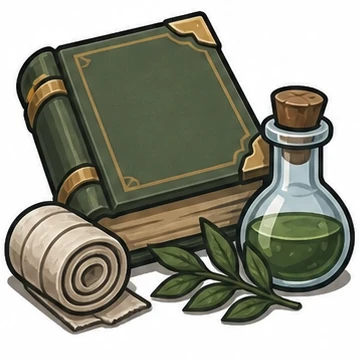
A Medical Catalog provides reference information on anatomy, injuries, diseases, poisons, symptoms, medicines, and established treatments. Editions may specialize in particular races, forms of trauma, or magical afflictions.
Religious Catalog
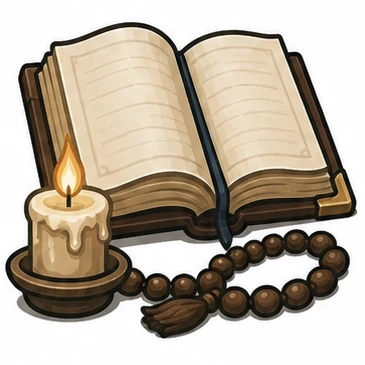
A Religious Catalog documents the Gods, established faiths, sacred symbols, holy days, religious institutions, major doctrines, and appropriate customs for worship or observance. Some editions provide a broad interfaith reference, while others are produced by a particular church and present its own traditions and interpretations in greater detail.